Permanent archive copy
Originally published by Medium on 18 May 2020. Preserved here by the author for long-term access.
A week ago today Ian Leonard wrote an article in The Sun about why Salford had become the UK’s coronavirus hotspot. He missed the point, so I have re-written it for him. You’re welcome.
IT was once one of the UK’s most important cities, a hub of industrial textiles production with a thriving economy.
But Salford, after years of Government cuts and being left to fend for itself remains like any other city in the UK, with area of boarded up shops and houses.
Just like the Capital, where COVID-19 exploded earlier in the year, centred mainly around the areas of graffiti-riddled depravation and social-housing, coronavirus was able to tear through closely-knit communities with poor health-records that had been left to fend for themselves as all their services were slashed due to austerity — an event brought about by millionaires and billionaires unable to hold their greed in check a decade earlier.
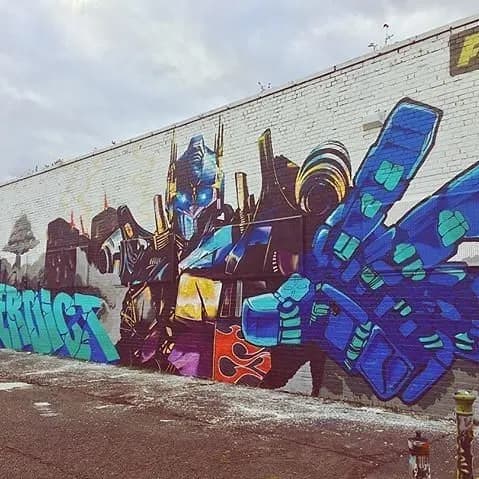
Remember, when we see the graphs about infection rates in London it wasn’t the happy-go-lucky theatre goers that were dropping like flies but residents of projects ignored by both the Government and media such as Tower Hamlets, Lambeth and Croyden.
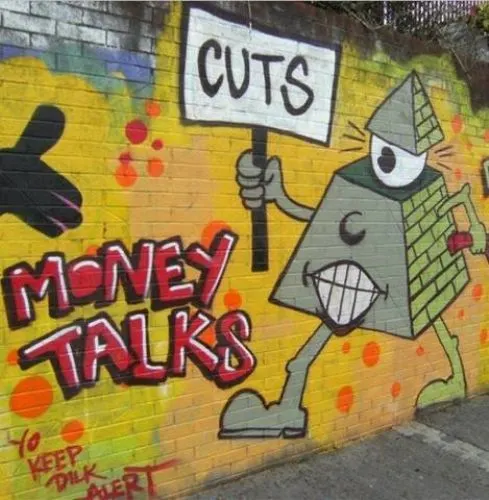
Last week Salford overtook London as the worst hit city for coronavirus rates against population in the UK with 174 deaths — amounting to 113 per 100,000 people. Not totally surprising as it ranks 18th in the most locally deprived local authority areas in England (out of 317) with over 75,000 living in a highly deprived area. Although, like the Sun I am going to make no effort to research what’s happening in the 17 above it.
A carefully selected group of residents recently told The Sun (opens in a new tab) a list of horror stories about how years of poverty, unemployment and horrific crime pretty much had zero connection to why SARS-CoV-2 has had such an impact on the city.
Just like every other part of the country, residents were able to recount tales of how some people are treating the “lockdown like a holiday” despite the vast majority of them obeying the Government’s lockdown rules.
None of us should be surprised that, once again, it is the areas of poverty, not just in Salford but around the entire globe, where the virus has managed to take hold and cause the most damage.
Years of neglect has led to this perfect storm, not simply boarded up shops on Mocha Parade.
The tragically sad story of Lauren Hughes who’s father Paul Ardrey passed away in Salford Royal on April 16th is one replicated for families all over the country. Paul lived in Swinton, where I live, not in the “blighted communities” that Sun’s article concentrates on.
Lauren’s terrible loss is highlighted by the newspaper with a series of glamourous shots of her taken from her Facebook page because The Sun loves a pretty girl in a low-cut party dress. It was probably a bonus they found one with her dad in the picture at all.
The sad story of the Ardley family is told by Lauren, “Dad had a lot of the flu-like symptoms of coronavirus but we couldn’t get him into hospital at first, despite the fact he was more at risk because of his diabetes.
“He was only admitted when his breathing became worse but his condition deteriorated rapidly when he developed pneumonia and he died six days later.”
A tragic tale repeated across the entire country as people were told by medical advice in daily briefings to self-isolate until pretty much the point they couldn’t breathe any more, ultimately to “protect the NHS and save lives”. Not in this case, that of Paul’s.
This same story has played out more than 30,000 times across the UK and potentially many more thousands than that.
Lauren’s dad had an underlying health condition that made him more of a target for COVID-19 and like so many others was unable to fight it off but there is nothing to suggest he would have been safer in any other city in the country.
In fact his role in the community as a mental health support worker would have put him more in the firing line due to the shocking way our key medical workers have been left to fend for themselves, not just in Salford but everywhere.
Lies, lies and damn statistics
The Sun incorrectly points out that around 76,000 people are classed as highly disadvantaged when in reality the report clearly states:
“There are 76,400 people (30.4%) who reside in a highly deprived area of Salford, compared to 71,200 people (29%) in 2015. However not everyone living in an area of high deprivation will themselves be highly deprived”
Besides the misrepresentation of figures like these and the gratuitous use of Lauren’s pictures, much in the The Sun’s article is correct however. You can’t argue that there are areas of huge social deprivation and poverty. You can’t argue that there are areas where gangs of kids don’t give a toss about anything, let alone adequate social distancing. But this is repeated across the UK. It is not the single-defining factor as to why my city is the worst for corona-deaths outside London.
Having worked in the journo game long enough I know what happens if you write a piece and send a photographer to the area to get the shots to accompany it, and this is where I believe the article truly lets itself down.
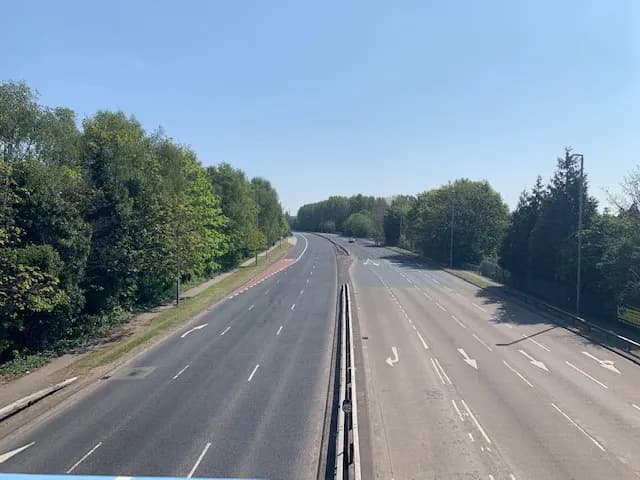
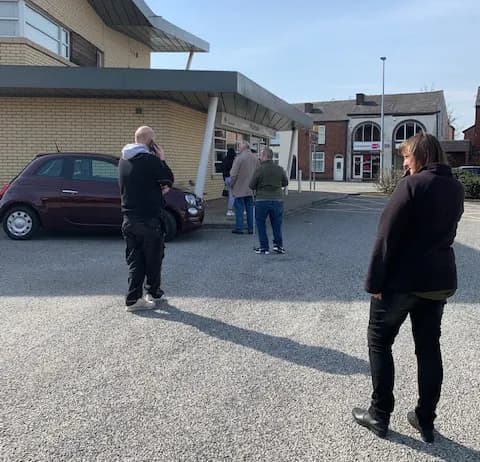
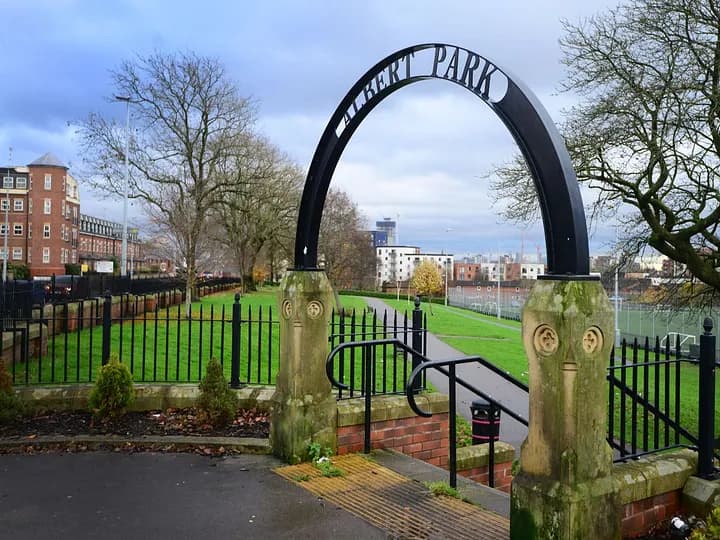
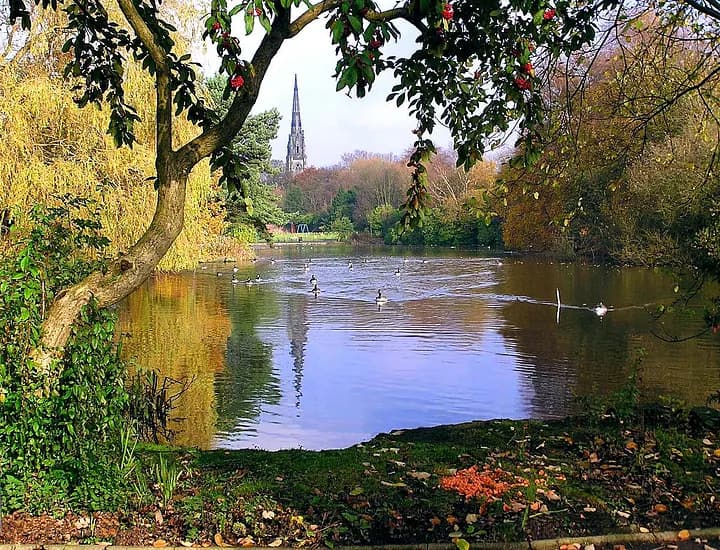
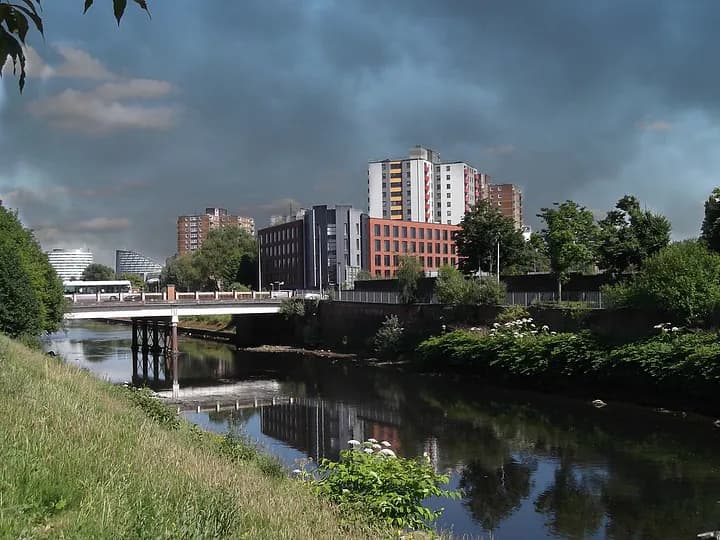
Ten minutes snapping around Lower Broughton gets you those images but that does not tell the tale of COVID in the city. It is lazy. It paints a picture that fits a narrative. In the words of the Donald. It is effectively ‘fake news y’all”. To counter, I’ve included a few of the same area of Salford throughout that don’t tie in with the narrative. See if it alters your perception and makes you wonder why people have died more here.
I live in Swinton. In a nice quiet street. In the main, everybody has kept themselves to themselves, busily doing up their gardens, fence painting like it was going out of fashion and ordering more Deliveroo and Uber Eats than you would think possible.
Nine people have died on the road next to where I live. A road that has a very elderly population mainly living in small flats, unable to leave because of the lockdown. What chance did they have? None of the factors in the article address that. There has also been a noticeable drop in recent weeks of emergency sirens as ambulances tore back and forth down the East Lancs Road. Swinton and its surrounding areas have been hit hard too.
The demonisation of people with no gardens leaving their houses for basic fresh air is one of the biggest disgraces of this whole event. Sitting in the sunshine in a park for 10 minutes alone is not spreading the virus. It never was. Yet articles like this suggesting that poor people daring speak to each other outdoors somehow makes it their fault.
The very same newspaper two days earlier printed photographs of “defiant Brits” (opens in a new tab) marking the VE Day celebrations. For me, the people in some of them are no further apart than in the ones used to paint Salford as a hellhole. Have a look and make your own mind up. Here are two below with their captions as they appeared online.
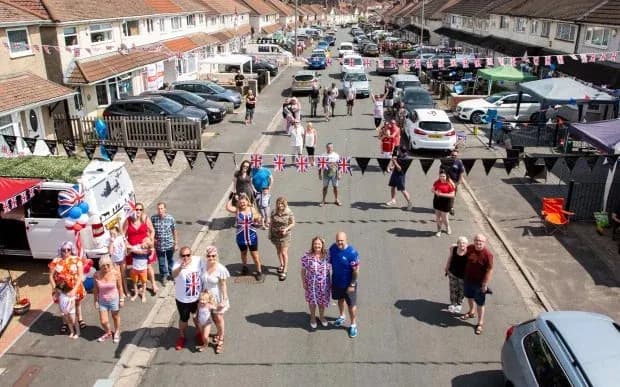
Residents on Novers Park Road in Knowle, Bristol celebrate the occasion with a socially distanced street party Credit: SWNS\:South West News Service
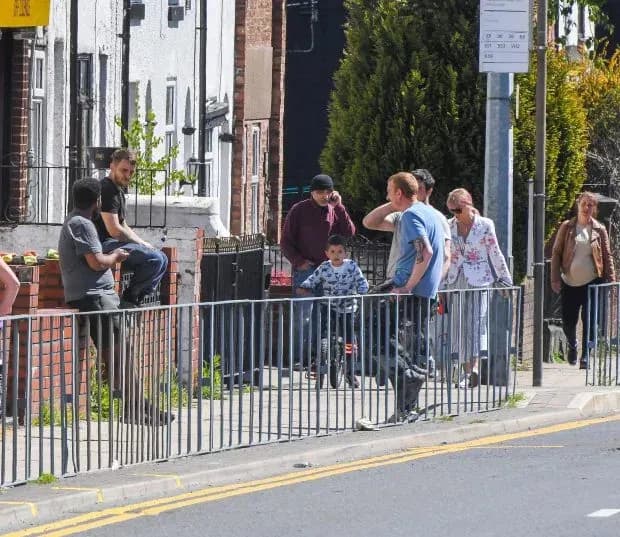
Some groups are seemingly ignoring social distancing rules in the streets Credit: ©AndyKelvin / Kelvin Media
Of course there are fools and idiots who don’t care, but in the main even if 95% of us do care and do what we are supposed to do that should, in theory dramatically reduce the transmission. Anti-social behaviour and kids drinking by the river cannot be the reason. It cannot be that simple.
David Buck, Senior Fellow at think-tank The King’s Fund, said: “The ONS data shows that Covid–19 follows the pattern of nearly all other illnesses in hitting the poorest hardest.
“While this is a shock, it is not a surprise — before the coronavirus crisis, men living in the most deprived areas of England could expect to live nine years less than those in the wealthiest areas.”
We do not need pictures of Mocha Parade and stories of Tommy Robinson descending on our city to tell us we all need to do better, but that starts at the top and it starts with the fundamental way we go about levelling the playing field to at least give our most deprived some chance.
It doesn’t not start with Dominic Cummings and Boris and their assumption that people are too stupid to remember more than a three word slogan.
We were told that COVID-19 is the great leveller. Well it’s having a hard time levelling this one.
#StayAlert everybody.